Autumn 2023 will go down in the history books as the greatest ever period of scarcities and rarities for Welsh birding, with the largest arrival of American landbirds in recorded history.
Hurricane Lee swept rapidly up the eastern seaboard of North America and out into the Atlantic in mid-September, with the remnants reaching Britain and Ireland in just 48 hours. The epicentre of the storm twisted up from the south-west, passing under Ireland and smashing directly into south-west Wales.
The unprecedented fallout of Nearctic landbirds was immediate and on a scale never seen before. Within hours of the warm front passing over Wales on 20 September, news broke of an ALDER FLYCATCHER on Skokholm, Pembrokeshire – the third for Britain. Less than an hour later, Britain’s third MAGNOLIA WARBLER was discovered on the Pembrokeshire mainland at St Govan’s Head.
With a massive twitch underway at St Govan’s Head the next morning for Britain’s first-ever twitchable MAGNOLIA WARBLER, the mega alert on the BirdGuides app sounded again, for a BOBOLINK on Skokholm. An hour later and a BLACK-AND-WHITE WARBLER had been mist-netted on Bardsey Island, Gwynedd. Believe it or not, this was just one of three on the island in quick succession, with a trio trapped and ringed between 23rd and 27 September.
A mere 45 minutes later saw another Welsh island get in on the action, with the breathtaking discovery of Britain’s second BAY-BREASTED WARBLER on Ramsey Island, Pembrokeshire. Gallingly for the big crowds gathered down the road, boat crossings weren’t possible until Saturday due to weather conditions. Thanks to efforts of the island’s RSPB staff, 160 grateful twitchers were able to make the trip on Saturday – when a break in the weather coincided with more birds being found.
Britain’s first CANADA WARBLER, no less, was the next jaw-dropping discovery in an accessible area of the Castlemartin Ranges, Pembrokshre. Sunday brought a MAGNOLIA WARBLER (Wales’s second of the week and only Britain’s fourth ever) to the unassuming location of Baglan Energy Park near Port Talbot, Glamorgan (see here). Unfortunately both twitches were marred by some initial tresspassing and unacceptable behaviour by a small number of visiting twitchers.
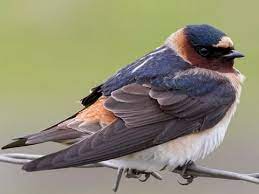
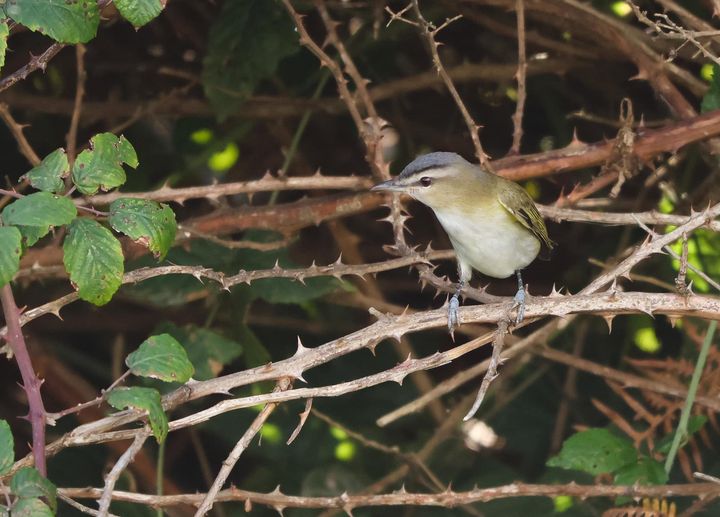
This is all without mentioning a pair of brilliant finds at Kenfig, Glamorgan, where a RED-EYED VIREO Vireo and American CLIFF SWALLOW were unearthed in the space of just two days on 21-22 September. A brief BOBOLINK was at Nash Point, Glamorgan, on 22 September and two further Empidonax flycatcher species were found – at Cilan Head, Gwynedd, and on a boat off the Pembrokeshire coast.
Drawing the crowds back to Pembrokeshire at the end of October was a GREAT-TAILED GRACKLE at Nolton Haven (more here). The appearance of this sedentary, social species native to North and Central America close to Milford Haven, Britain’s third largest port, means it is undoubtedly ship assisted. It is the third such occurrence for the Western Palearctic following two records from Spain.
The last day of October brought a juvenile female LESSER SCAUP to Bosherston Lily Ponds, this Pembrokeshire first being one of a small influx into south-west Britain. Three RING-NECKED DUCKS Ducks were also logged.
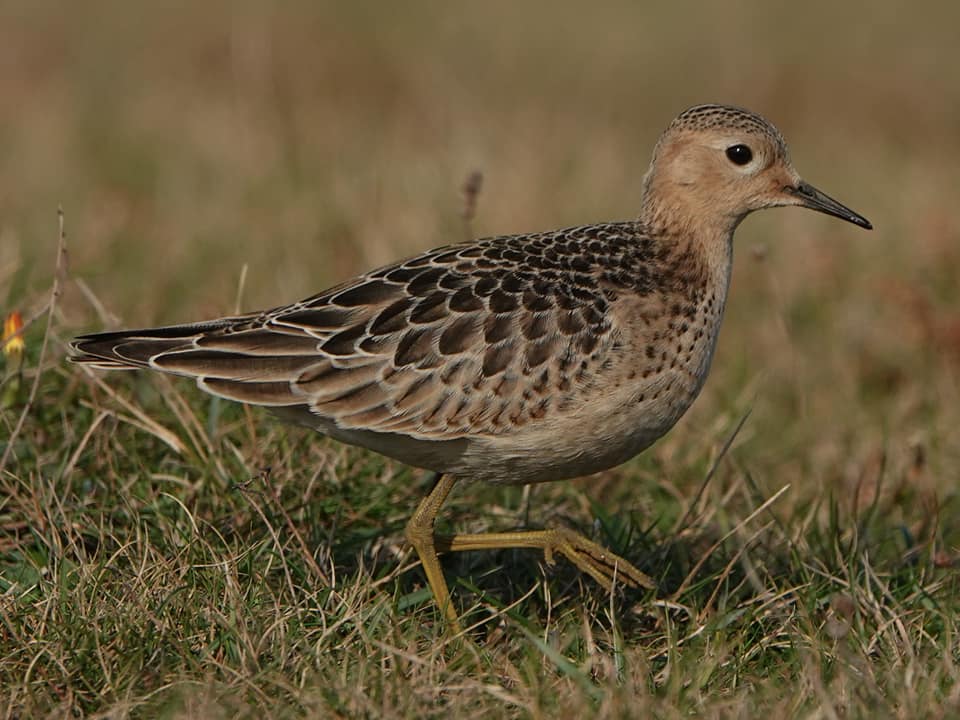
Nearctic shorebird finds comprised a juvenile SPOTTED SANDPIPER at Sully Island, Glamorgan, two LESSER YELLOWLEGS (in Pembrokeshire and Glamorgan), two AMERICAN GOLDEN PLOVERS and three BUFF-BREASTED SANDPIPERS. Other news included six PECTORAL SANDPIPERS and seven Eurasian Dotterel.
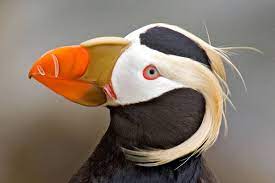
An apparent TUFTED PUFFIN past Porthor, Gwynedd, on 29 September was another unprecedented sighting. Three CORY’S SHEARWATERS were reported, alongside a number of SABINE’S GULLS, LONG-TAILED SKUAS and Grey Phalaropes.
Hoopoes at nine sites were well-received, two ROSY STARLINGS adorned Pembrokeshire gardens and a brief RICHARD’S PIPIT was in Glamorgan. Skokholm, Pembrokeshire, hosted a BLUETHROAT and an arrival of Wrynecks saw as many as 30, with four of those at Martin’s Haven, Pembrokeshire. Three BARRED WARBLERS were in North Wales; other totals included two MELODIOUS WARBLERS (in Gwynedd and Pembrokeshire), three COMMON ROSEFINCHES and a single RED-RUMPED SWALLOW. A Great Grey Shrike on Great Orme, Conwy, on 22 October didn’t linger for long.
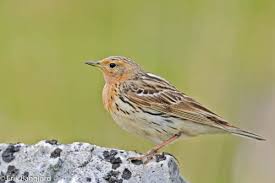
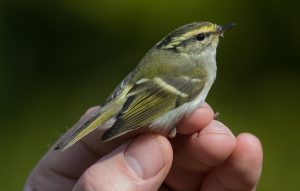
County firsts during the period consisted of a RED-FLANKED BLUETAIL at Dyfnant Forest, Powys, on 29 September, RED-THROATED PIPIT over South Stack, Anglesey, on 1 October, and a PALLAS’S WARBLER at Talacre, Clwyd, on 31 October, shortly after a DUSKY WARBLER and a YELLOW-BROWED WARBLER .
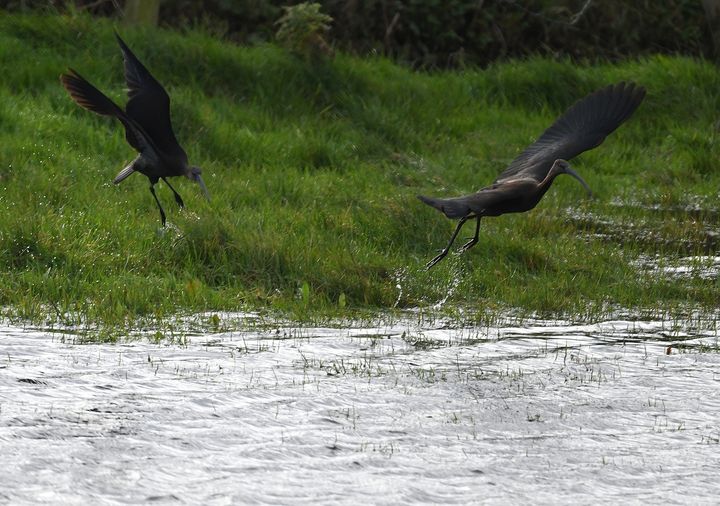
A BLACK KITE flew south over Bardsey Island, Gwynedd, on 6 September and seven GLOSSY IBIS were tallied. Phew!!